Treatise: The Hunger To Be Recognised
Before language, before civilisation, before currency or code, we craved recognition. Not applause, not validation. Just recognition. To be seen. To be known. To be witnessed by another. That primal ache, once tethered to survival, has now metastasised into something more metaphysical. In the digital age, this hunger no longer hides in the shadows. It scrolls, it posts, it performs.
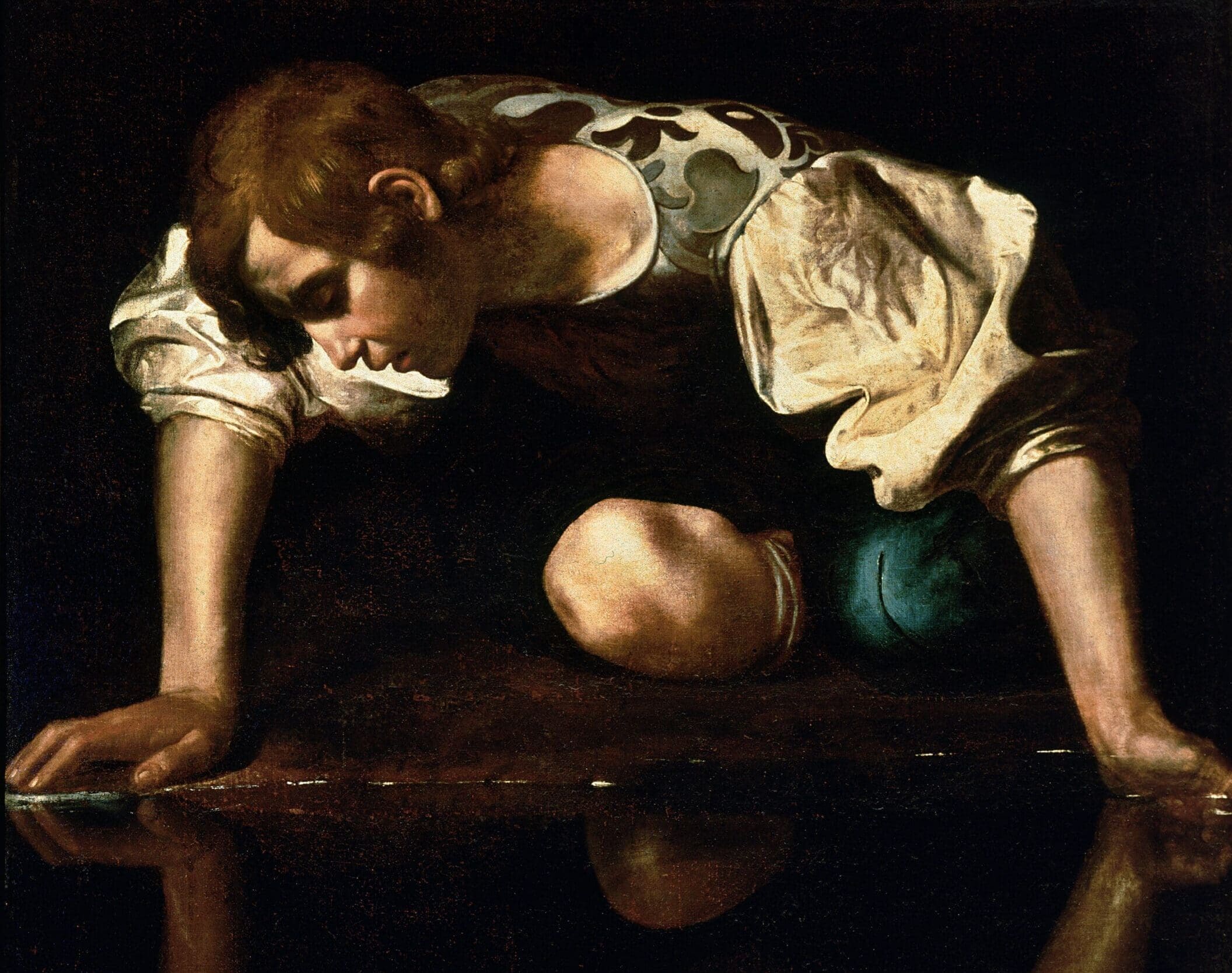
Attention is no longer passive. It’s performative. We don’t just live, we curate. We don’t just speak, we broadcast. The eyes of others have become our second self, a mirror we perform into, not just for approval, but for existence itself. To not be seen is now felt as erasure. Silence, once sacred, is now a threat.
Platforms have turned everyone into performers, and the cost of not performing is irrelevance. Likes and shares aren’t mere dopamine hits, they are modern proofs of life. Our identities are no longer internal but algorithmically echoed back to us. The question is no longer “Who am I?” but “Who is watching me be me?”
But what is lost in this hyper-visibility? Mystery. Privacy. The sacredness of interiority. The parts of ourselves not designed for public consumption begin to wither. The hunger to be seen slowly eclipses the deeper hunger to be understood. And in the theatre of constant display, we become caricatures of the selves we never had time to fully become.
Philosophers like Kierkegaard and Pascal warned of the self lost in distraction. To be seen is not always to be known. And to be known is not always to be free. Sometimes, the deepest recognition begins when we withdraw, when we stop performing long enough to notice the parts of ourselves that exist without witness. In that silence, we are not unseen. We are simply unperformed.
The hunger to be seen is not wrong. It is deeply human. But in a world that monetises attention and performs identity, we must learn the difference between being watched and being witnessed. Between performance and presence. The question isn’t how many eyes are on you. It’s whether you can bear to meet your own gaze without needing applause to affirm you.