Treatise: Romanticism in a Hyper-Rational Age
In an era increasingly defined by algorithms, efficiency, and logic, Romanticism feels like a relic from a lost time, a poetic whisper beneath the roar of productivity. And yet, beneath our culture’s obsession with optimisation and systems lies a quiet but persistent ache: the longing for beauty, for feeling, for something unmeasurable. This is the paradox of the modern age: that in the midst of unprecedented rationality, the human heart still yearns for the irrational.
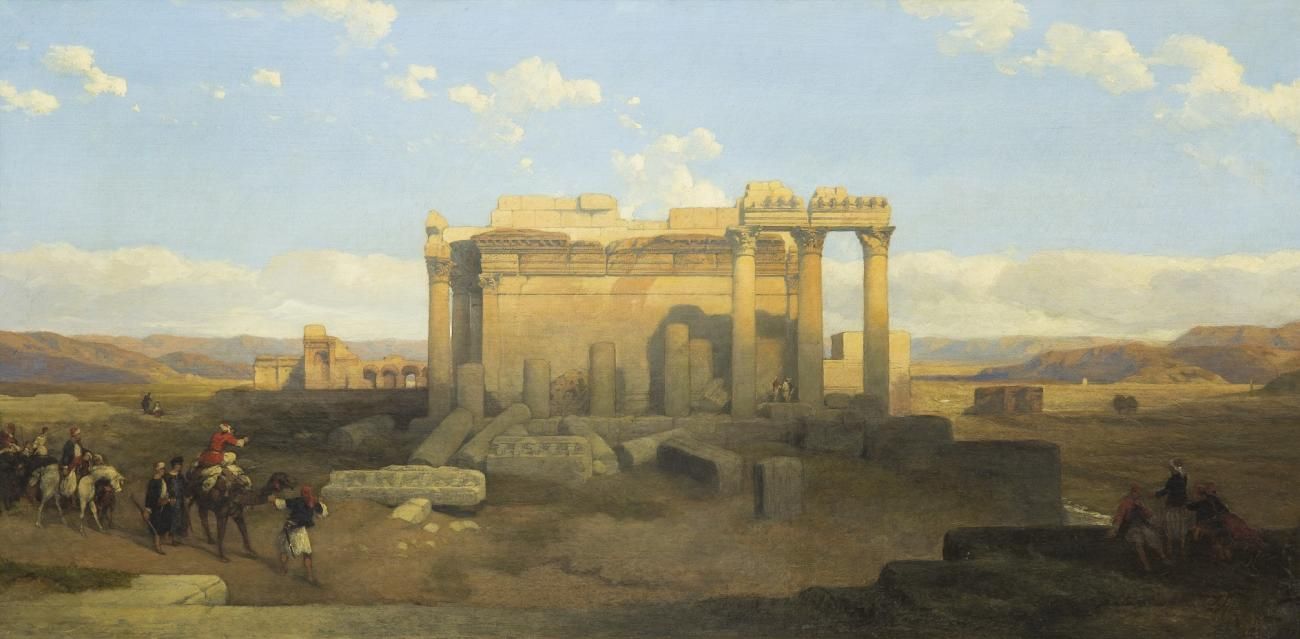
Romanticism first emerged in the late 18th century as a philosophical and cultural reaction against the Enlightenment and the Industrial Revolution. It rejected the supremacy of reason and instead elevated emotion, nature, individuality, imagination, and the sublime. Romantic thinkers and artists believed that truth could not be fully grasped through logic alone, it had to be felt, experienced, and expressed. They saw beauty not as a means to an end, but as a form of knowledge in itself. In doing so, they challenged the cold detachment of science and utility, arguing for a fuller picture of what it means to be human.
But fast forward to the 21st century, and the pendulum has swung hard in the other direction. We now live in a world ruled by data. Success is measured in metrics. Decisions are guided by algorithms. Emotional expression is often reduced to digital emojis, and even creativity is increasingly outsourced to machines. The rational reigns supreme. In such a climate, Romanticism appears inefficient, irrational, even indulgent. Why write poetry when you can write code? Why ponder beauty when you can maximise output?
Yet the Romantic impulse has never gone away. It has simply gone underground. We see it in the cult of aesthetics on Instagram. In the resurgence of journaling. In the slow living movement. In our nostalgia for handwritten letters, vinyl records, and long walks in nature. These are not just trends. They are symptoms. They reflect a deep human hunger that rational systems cannot satisfy: the hunger for meaning.
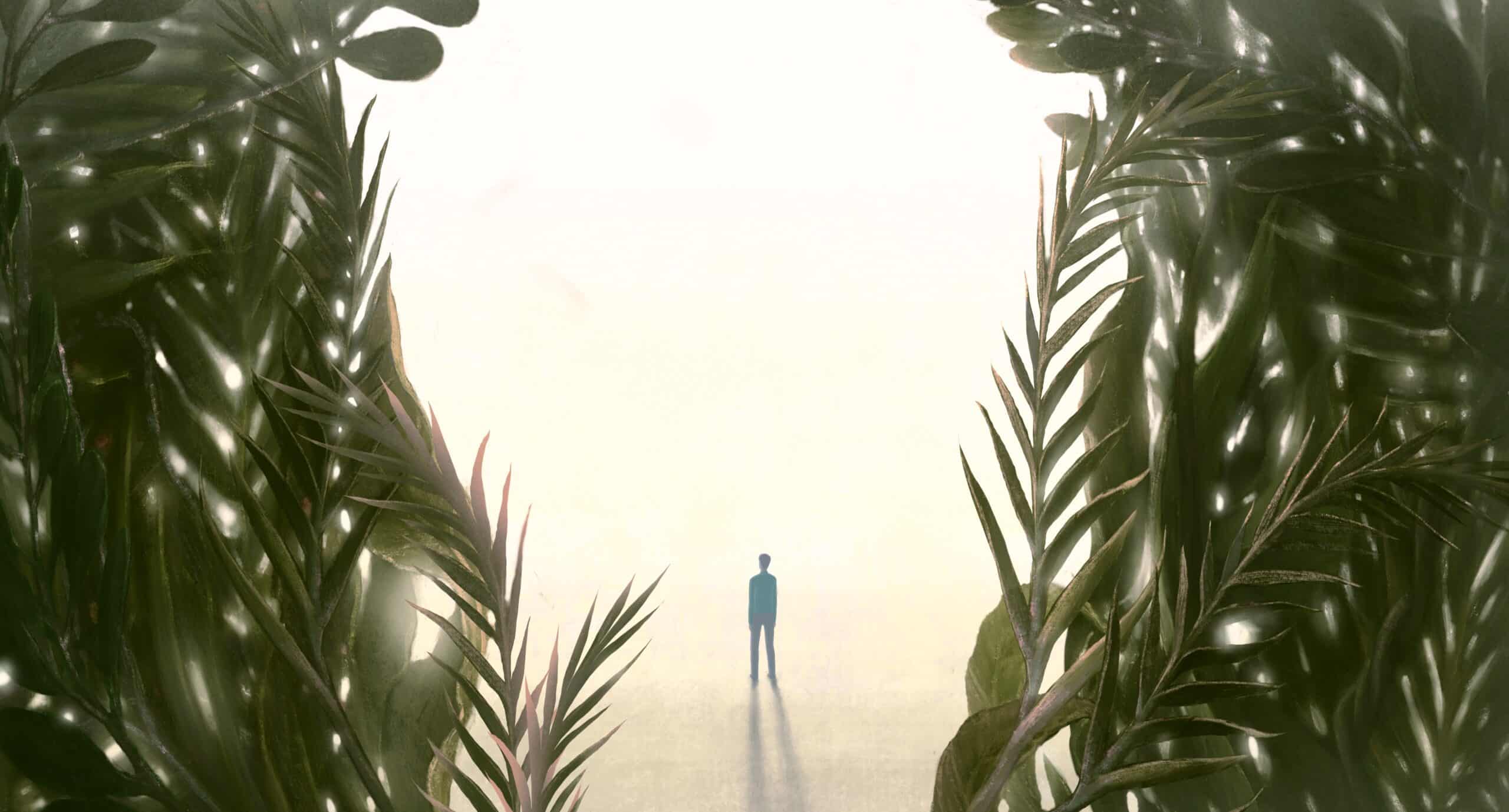
To be human is not merely to calculate. It is to wonder. To be moved. To ache for something beyond utility. Romanticism reminds us that not everything valuable can be measured. That some truths must be felt to be known. That a life optimised for efficiency may be productive but not necessarily rich. It reminds us, too, that beauty is not decoration, but revelation. It reveals something essential about the world and about ourselves that cannot be programmed or downloaded.
In resisting the tyranny of the rational, Romanticism does not reject logic, it completes it. It insists that the human experience is more than data points and economic models. It is also awe, vulnerability, yearning, and mystery. In a world increasingly built by machines, it is Romanticism that keeps us human.
So perhaps we do not need to abandon rationality to reclaim Romanticism. We need to remember that reason alone is not enough. That our inner lives matter. That not all value is visible. And that, sometimes, the most important truths cannot be calculated only felt.