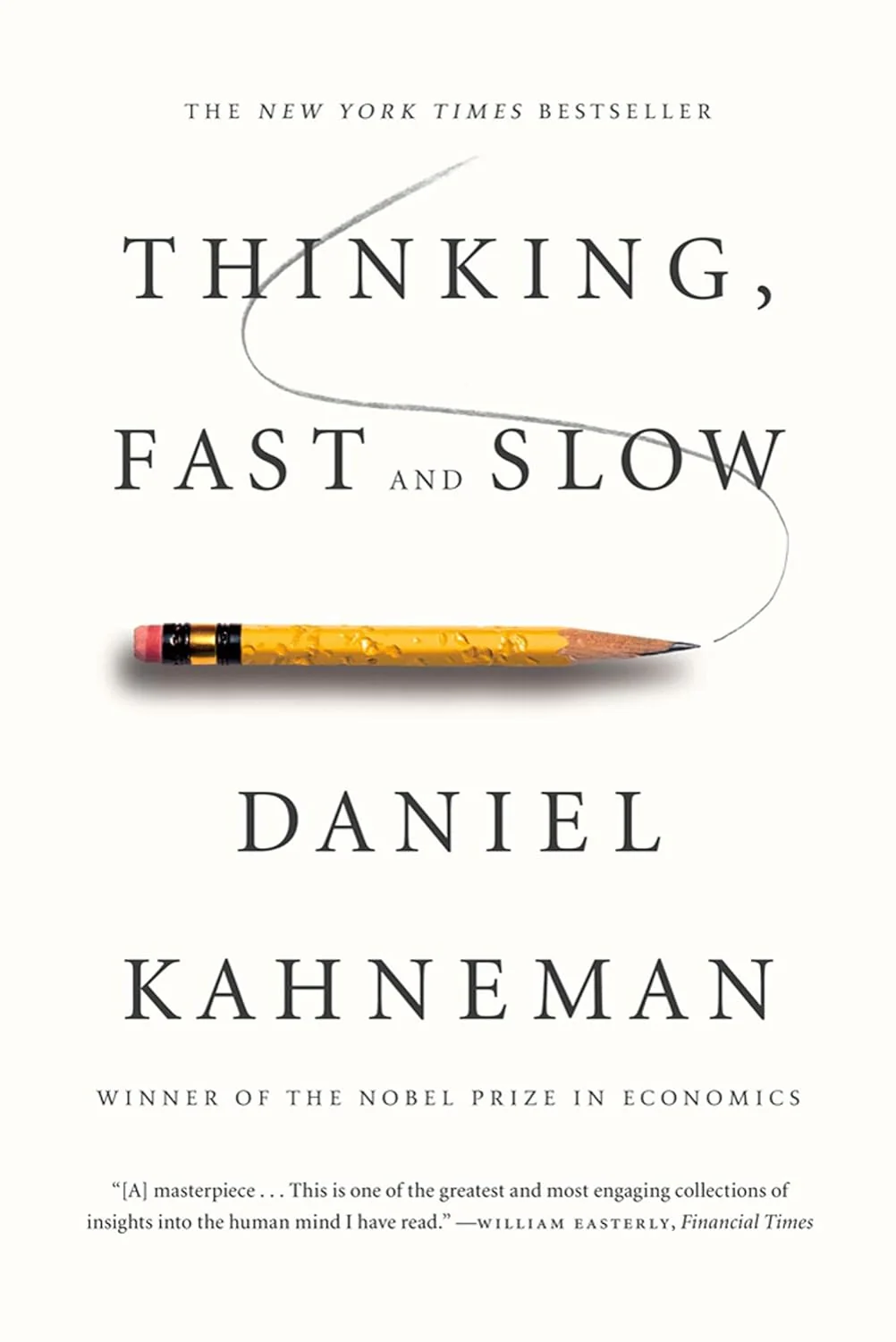
The definitive account of how badly the mind reasons, by the psychologist who won a Nobel for proving it. Every bias and blind spot you didn't know you had, laid out with devastating clarity. Essential grounding for anyone who wants to think about thinking. Philosophy's empirical conscience.
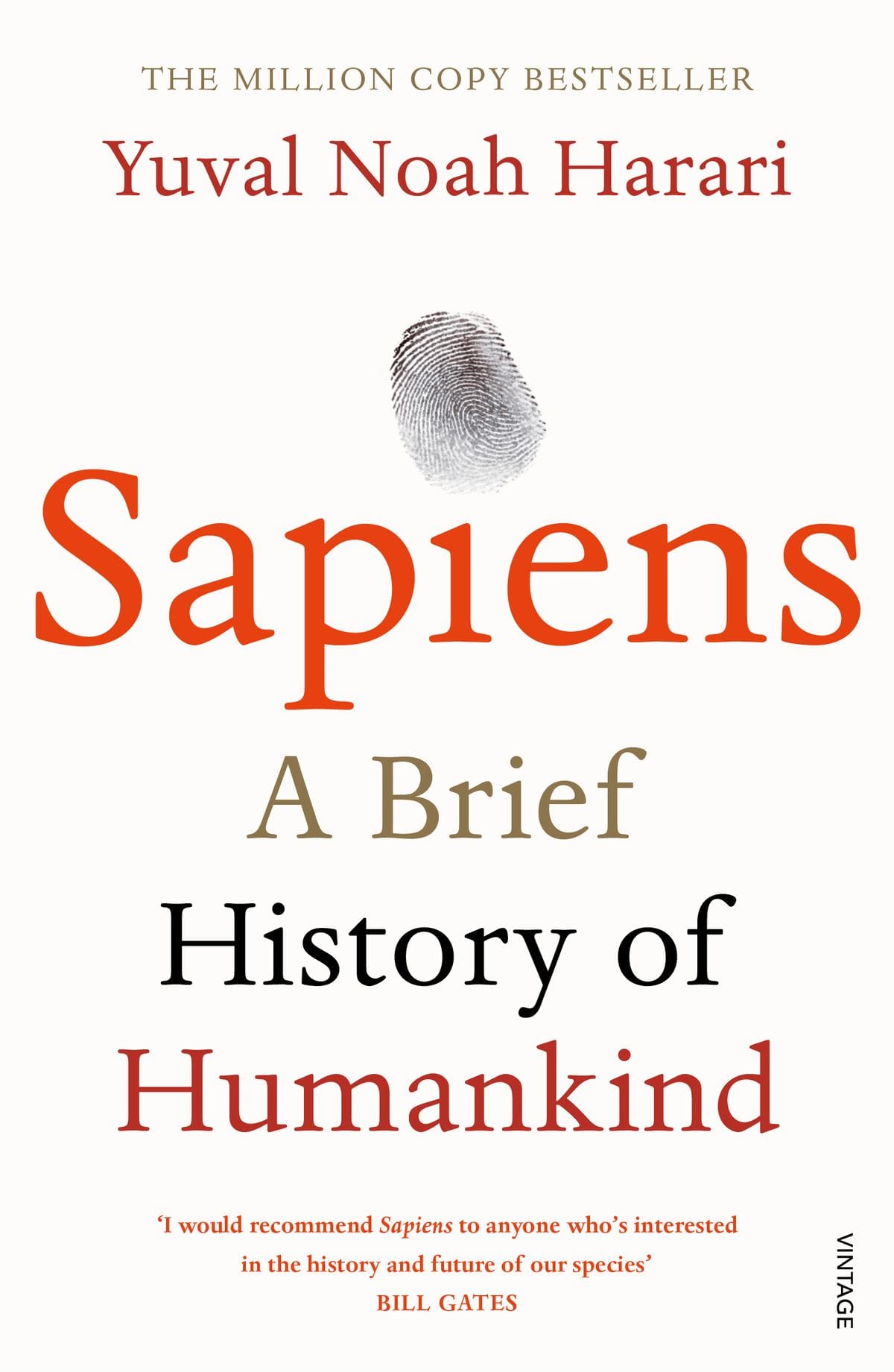
The book that made big-history thinking mainstream, and a model for what a modern public intellectual can do. Harari's account of how shared fictions built civilisation is the kind of synthesis your own work aspires to. Read it for the sweep and the provocations. Argue with it as much as you absorb it.
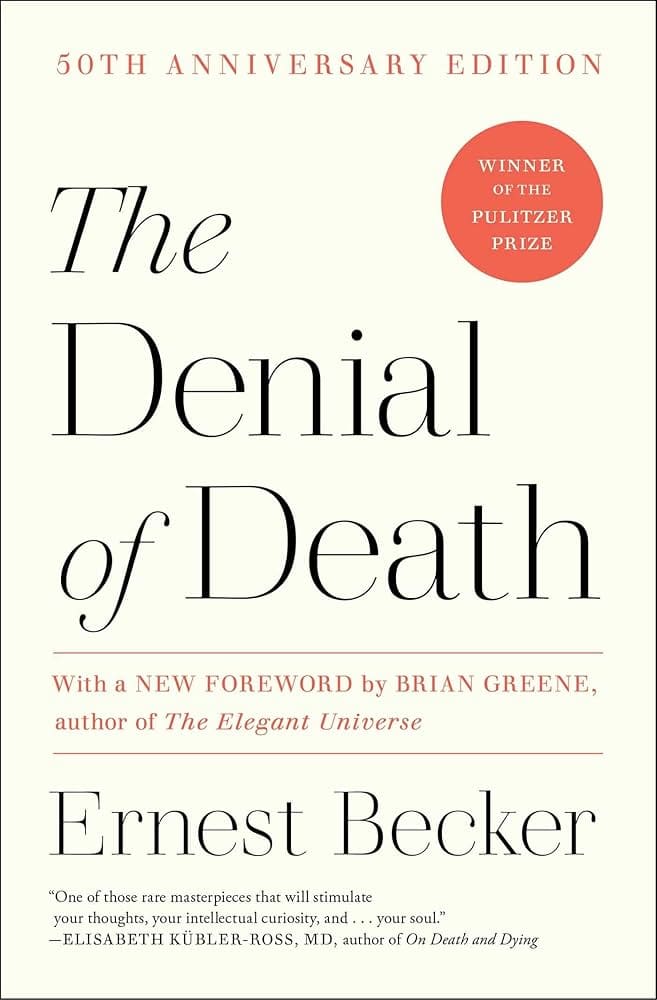
A Pulitzer-winning argument that nearly everything humans do is a flight from the knowledge that we die. Becker fuses psychology, philosophy, and anthropology into a single unsettling thesis. It explains more about human behaviour than books ten times its length. Read it once and see the world differently.

One of the great political thinkers of the century on what it means to act, labour, and live among others. Arendt's distinctions between work, action, and contemplation reframe how you understand a meaningful life. Difficult but foundational. Essential for anyone thinking about the public world and our place in it.

A contemporary German-Korean philosopher whose tiny, sharp books diagnose the exhaustion of modern life better than anyone writing now. Han argues we've become self-exploiting achievement-machines. Reads in an afternoon, stays with you for months. The closest thing to a living philosopher writing about your exact subject.

A lucid diagnosis of modern individualism by one of the most important living philosophers. Taylor shows how the ideal of "being true to yourself" curdled into something thinner. Short, accessible, and directly relevant to your thesis about modern disconnection. The philosophical backbone for half of what you talk about.

A great logician turning his clarity to ordinary unhappiness, boredom, envy, fatigue, the wrong kind of ambition. Russell is sane, witty, and useful in a way philosophers rarely allow themselves to be. The most practical Western philosophy book after Marcus Aurelius. Proof that rigour and warmth can coexist.

A contemporary cult classic arguing that we can no longer even imagine alternatives to the present order. Fisher writes about mental health, culture, and exhaustion with rare urgency. Brief, angry, and alive. The book that speaks most directly to a disillusioned younger generation.

A psychiatrist's account of surviving the camps and the philosophy he built from it. Frankl's insight, that meaning, not pleasure, is what sustains us, has saved more lives than most medicine. Devastating and clarifying in equal measure. Read it when nothing feels worth it.

The book that set the agenda for Western philosophy for two thousand years. Justice, the soul, the cave, the philosopher-king, its images are so foundational you've absorbed them without reading it. Read it to see where the questions began. Whitehead said all philosophy is footnotes to Plato; this is why.

The founding text of virtue ethics and still the most serious attempt to answer "what is a good life." Aristotle's idea of flourishing through habit and balance underwrites everything from modern psychology to your own thesis about living well. Dense, but every page earns its weight. The West's answer to Confucius.

The man who invented the essay and, arguably, the modern self. Montaigne writes about everything: fear, friendship, thumbs, dying with a humane curiosity that feels startlingly contemporary. He's the friend you wish you had. No one has ever been better company on the page.

The great solvent of comfortable assumptions, written by the philosopher who saw the modern crisis coming. Nietzsche attacks herd morality, easy truth, and the lies we tell to feel safe. Bracing and dangerous and essential for anyone who wants to think rather than be thought through. Read him to be unsettled, not reassured.

The most readable of the Stoics, writing to a friend about time, death, wealth, and the art of living. Seneca is philosophy as conversation, warm and quotable and immediately applicable. He wrote on living well while being fabulously rich and politically compromised, which makes him honest about contradiction. Start here if Stoicism intimidates you.

The first existentialist, wrestling with faith, doubt, and the terrifying freedom of being an individual before the infinite. Kierkegaard writes with an intensity and irony unlike anyone before him. Difficult and strange, but it cracks something open. The book that asks what you would sacrifice for what you believe.

One of the most ambitious work in philosophy, asking what the mind itself contributes to everything we perceive. Kant's answer reshaped how the West understands knowledge, reality, and the limits of reason. Notoriously hard but it is the great divide that all later philosophy flows around. The mountain everyone must reckon with.

The book that opens modern philosophy, where one man doubts everything until he reaches the single certainty: "I think, therefore I am." Every subsequent debate about mind, knowledge, and reality begins here. Short and revolutionary. The hinge on which philosophy turned from the ancient to the modern world.

The most elegant statement of empiricism, arguing that all knowledge comes from experience and that reason is weaker than we think. Hume's scepticism about cause, certainty, and the self woke Kant "from his dogmatic slumber" and still unsettles. Lucid and devastating. The book that shows how little we can truly know.

The bedrock of East Asian ethical life, and the text your whole project orbits. Confucius isn't offering abstract theory but a way of being: how to live well through relationship, ritual, and role. Read it slowly; its plainness hides its depth. Everything in the Eastern tradition answers to this book.

Eighty-one short verses that have shaped Chinese thought for over two thousand years. Where Confucius gives you structure, Laozi gives you flow: the wisdom of yielding, emptiness, and non-action. It rewards rereading more than almost any book ever written. The West has nothing quite like its paradoxes.

The wildest, funniest, most literary of the Chinese classics, and my pick for the most underrated philosopher alive or dead. Butterflies dreaming they're men, useless trees that survive precisely because they're useless. Zhuangzi dismantles your certainties through story rather than argument. If Laozi is the music, Zhuangzi is the dance.

A battlefield dialogue that became the spiritual spine of India. Krishna's counsel to Arjuna on duty, detachment, and action without attachment to outcome speaks directly to anyone paralysed by modern choice. It's philosophy disguised as scripture. Gandhi called it his eternal mother.

The most direct entry into the Buddha's thought, short, aphoristic, immediately usable. On craving, impermanence, and the discipline of the mind, it reads less like doctrine than like a manual for being human. You can open it anywhere and find something that lands. Two and a half thousand years old and still ahead of us.

Japan's greatest swordsman on strategy, mastery, and the Way, written in a cave near the end of his undefeated life. Beneath the combat is a philosophy of total presence and lifelong discipline. Spare, severe, and deeply practical. The Zen of mastery, applicable far beyond the sword.

The masterwork of Japan's profoundest Zen mind, on time, being, and practice as enlightenment itself. Dōgen writes philosophy as poetry and paradox. Demanding, luminous, unlike anything in the West. Read selections slowly. The deepest philosophical text Zen Buddhism produced.

The oldest of the Chinese classics, a manual of cosmology, change, and decision that has been consulted for three thousand years. Beneath its divination lies a profound philosophy of flux, balance, and timing. Confucius and Jung both revered it. The deep grammar underlying all later Chinese thought.

The philosophical summit of ancient India, where the great questions of self, reality, and the absolute were first asked. "Tat tvam asi" " thou art that" is among the most profound utterances in human thought. Schopenhauer read them nightly; they remain inexhaustible. The deep source of all later Indian philosophy.


Bridges East & West
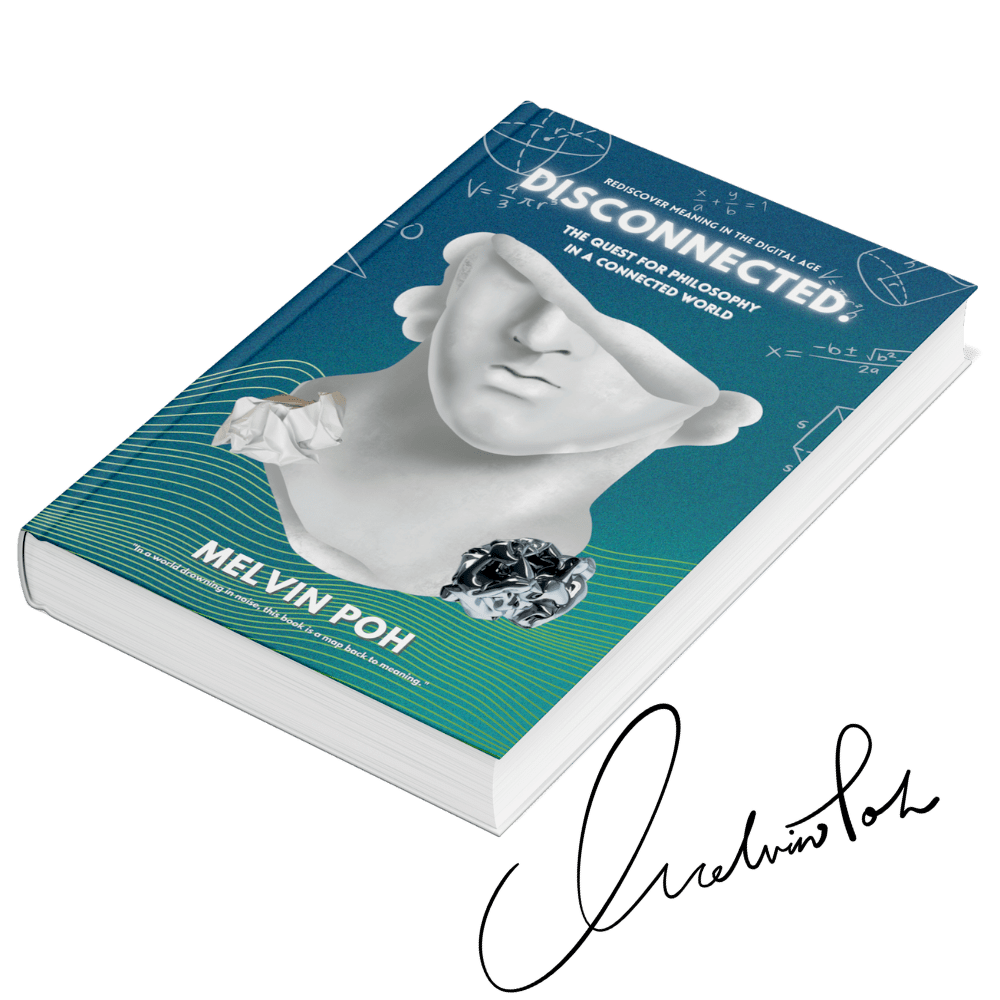
DISCONNECTED draws on both traditions you've just explored to ask how we live well now.

Built For Now
Written for an age of distraction, disconnection, and noise. Philosophy applied to modern life.

Rigorous, Personal
Three years of research worn lightly. Serious philosophy made readable, personal, and useful. No lectures.

A Book To Live With
DISCONNECTED is written to carried, returned to, a companion for the questions in your life.